An Editorial Look at Everyday Rituals
Across Mediterranean kitchens, older generations still prepare a baking soda and honey gelatin ritual before breakfast — a habit historians trace back generations, long before wellness trends existed.
This report examines why the baking soda and honey gelatin preparation remains part of daily morning routines for many men over 50 across coastal Mediterranean communities.
The Pattern Many Men Notice After 50
Editorial researchers have long observed that men crossing the half-century mark describe similar shifts in their daily energy and morning consistency. None of these observations amount to medical findings — they are patterns gathered from lifestyle journals, reader letters, and long-form interviews conducted across several Mediterranean towns, where slower morning rituals, including a baking soda and honey gelatin preparation, remain part of everyday life.
Mornings That Feel Rushed
Many men describe waking without the same sense of steadiness they remember from earlier decades, often reaching for coffee before anything else.
Restless Overnight Hours
Sleep that once felt uninterrupted now arrives in shorter stretches, according to informal accounts collected from reader correspondence.
A Routine That Rarely Sticks
Habits started with enthusiasm in January often fade by March, a pattern editorial surveys of reader letters mention repeatedly.
Energy That Feels Inconsistent
Some days feel steady, others sluggish, with no clear pattern — an observation echoed across dozens of informal reader accounts.
How the Ritual Is Traditionally Prepared
Long before wellness blogs existed, small Mediterranean households passed down a simple morning sequence. It carries no clinical backing — only decades of repetition within families who valued slow mornings over rushed ones.
Warm Water First
The ritual begins with a glass of warm water, sipped slowly rather than swallowed in a hurry, a habit elders describe as ‘waking the body gently.’
Stirring in Baking Soda and Honey Gelatin
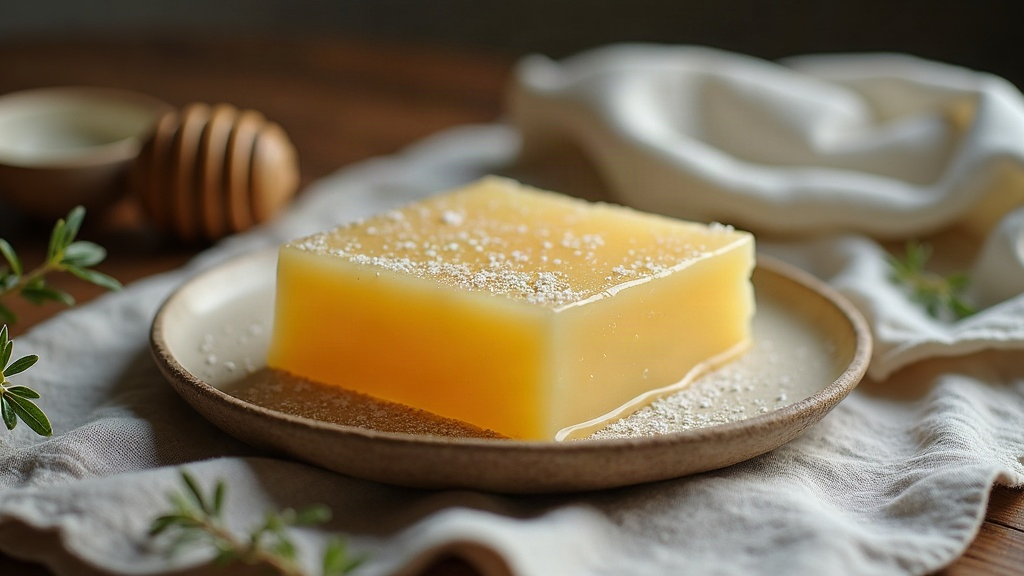
A small amount of baking soda and honey gelatin is stirred in next, a combination regional households have prepared for generations as part of their morning sequence, not as a remedy.
A Few Quiet Minutes
The final step is simply sitting — no phone, no rushing — for a few quiet minutes before the day’s first task begins.
Myths and Facts Worth Separating
Traditions that travel far often collect misconceptions along the way. A few worth clarifying before going further.
Baking soda and honey gelatin is a modern wellness trend invented for social media.
Regional food historians trace versions of this preparation back several generations in Mediterranean households, long before wellness content existed online.
Any ritual involving honey must be a sugar-heavy indulgence.
Traditional preparations use only a small measured amount, closer to a pinch than a spoonful, according to regional recipe archives.
A morning ritual only matters if it produces immediate results.
Editorial interviews suggest the value many households describe is tied to consistency and slowing down, not to any immediate or measurable change.
Where This Ritual Comes From
Coastal Mediterranean communities have long organized their mornings around small, deliberate rituals rather than rushed routines. Baking soda has appeared in regional kitchens for over a century as a basic pantry staple, while honey — often set with a light gelatin — was traditionally kept as a household preparation for cooler months. Combined, the baking soda and honey gelatin sequence became less about any single ingredient and more about the ritual of pausing before the day begins, a practice food historians associate with the region’s broader emphasis on slow mornings and shared family meals.
Editorial note: the value described by regional households appears tied to consistency and pacing, not to the specific ingredients themselves — a distinction worth keeping in mind when reading modern adaptations of the ritual.
Signs Worth Paying Attention To
01 · Persistent Fatigue That Doesn't Lift
Tiredness that continues despite adequate rest deserves a conversation with a healthcare professional rather than a home routine.
02 · Sudden Changes in Appetite
Noticeable shifts in hunger or eating patterns are worth mentioning to a doctor, especially if they appear suddenly.
03 · Unexplained Weight Changes
Weight shifts without a clear cause are best evaluated by a medical professional, not addressed through dietary rituals alone.
04 · Digestive Discomfort That Lingers
Occasional discomfort is common, but symptoms that persist for weeks warrant proper medical attention.
05 · Disrupted Sleep Patterns
Chronic sleep disruption can have many underlying causes and should be discussed with a qualified provider.
06 · New or Worsening Symptoms
Any new symptom that feels unfamiliar or intensifies over time should always be reviewed by a healthcare professional first.
Reader Notes From Men Who Tried the Ritual

Illustrative composite examples. Individual results vary. Not a guarantee.
Frequently Asked Questions
No. It is a traditional morning ritual, not a treatment, remedy, or medical intervention of any kind.
Regional food historians trace versions of it to Mediterranean households across several generations, tied more to daily routine than to any specific health claim.
Households typically stir a small amount into warm water as part of a slower morning sequence, followed by a few quiet minutes before starting the day.
This page reflects editorial and historical observation, not clinical research. Always consult a healthcare professional for questions about your health.
Personal routines vary widely. Anyone considering dietary changes should speak with a qualified healthcare provider first.
Regional archives suggest honey was a common household staple, often paired with other pantry ingredients as part of everyday cooking traditions.
This page is an editorial report. Any related offers are presented separately and are not guarantees of any outcome.
Continue Reading About This Mediterranean Morning Ritual
This report only scratches the surface of a tradition that has quietly persisted across generations. For readers interested in exploring how baking soda and honey gelatin fits into a broader morning routine, the full write-up continues below.
Advertising Disclosure: This page contains sponsored content and affiliate links. We may receive compensation if you click on or purchase products through the links provided on this site. This helps support our editorial work.
Content Disclaimer: This content is for educational and informational purposes only and has not been evaluated by the FDA. It is not intended to diagnose, treat, cure, or prevent any disease. Always consult a qualified healthcare professional before making changes to your diet, lifestyle, or wellness routine.
Results Disclaimer: Individual results vary. Testimonials and examples shared on this page are illustrative and not a guarantee of any specific outcome.
© 2026 All Rights Reserved. Contact: /contact/